
Online loyalty panels and digital incentives offer a variety of ways to claim rewards in your spare time. From shopping rebates to taking surveys and testing mobile apps, the modern reward ecosystem is vast. Many users search for terms like money back gift cards hoping to earn quick perks. However, navigating this space successfully requires understanding the underlying mechanics of these programs. This guide provides an objective breakdown of how gift card rewards are calculated, how to evaluate program terms, the essential privacy checks to protect your data, and what to expect during cashing out. By understanding these concepts, you can participate in online incentives safely and with realistic expectations.
At their core, digital reward portals act as intermediaries between brand advertisers, market research firms, and consumers. When a brand wants to test a product, run a survey, or increase installation numbers for an app, they contract with these portals. The portals recruit users to complete these actions. Every time you complete a task, the portal receives a commission. To incentivize participation, the portal shares a portion of this commission in the form of points, which are later redeemed for gift cards or cash. It is a business model built entirely on aggregate traffic and user engagement, where user actions are packaged as market research and ad impressions.
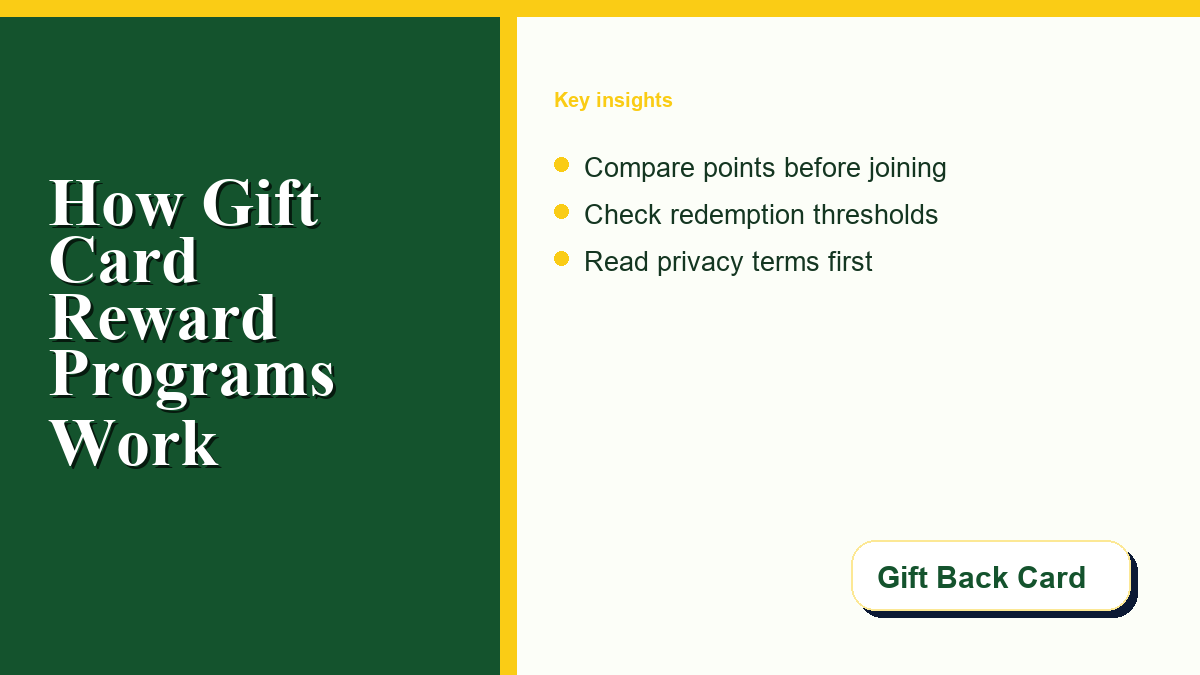
One of the first things a participant will notice is that point values are arbitrary and vary between platforms. For example, 100 points might equal $1.00 on one portal, while another might require 1,000 points for the same amount. Portals use custom currency, such as gold coins or tokens, to create psychological distance between the task completed and its actual monetary value. In most cases, if you compute the time spent completing tasks against the cash value of the points earned, the hourly rate is low, frequently below minimum wage. These activities should be viewed as a minor way to collect small rewards, not a primary income.
Understanding the Difference Between Rewards and Earning Hype
It is critical to distinguish legitimate gift card reward programs from overhyped online earning claims. Many programs promise users fast payouts or high hourly rates for minimal work. When evaluating these offers, it is helpful to look closely at standard understanding messenger reward bot claims and check how platforms operate. For broader safety context, the FTC’s gift card scam guidance warns readers to be cautious when anyone pressures them to use gift cards as payment or asks for card numbers. Standard portals usually pay modest rewards for consumer opinions, while questionable offers may use exaggerated claims to collect user data without reliable payouts. Be skeptical of any platform that guarantees fixed earnings or claims you can replace a full-time job through simple tasks.
Before signing up for any incentive program, it is helpful to compare different types of reward panels to see how they calculate payouts and what tasks they require. The table below illustrates the typical categories of rewards portals, their primary activities, and the typical risk factors associated with their operations.
| Program Type | Earning Mechanism | Redemption Options | Key Term to Check |
|---|---|---|---|
| Cashback Portals | Shopping rebates, merchant discounts | Direct deposit, gift cards, PayPal | Payout delays (often 30 to 90 days) |
| Loyalty Panels | Market research, demographic surveys | Retailer gift cards, digital vouchers | Disqualification rules & screening terms |
| Task & Offer Walls | App downloads, game play, trial signups | Gaming credits, gift cards | Multi-tier completion requirements |
Navigating Reward Program Terms and the Fine Print
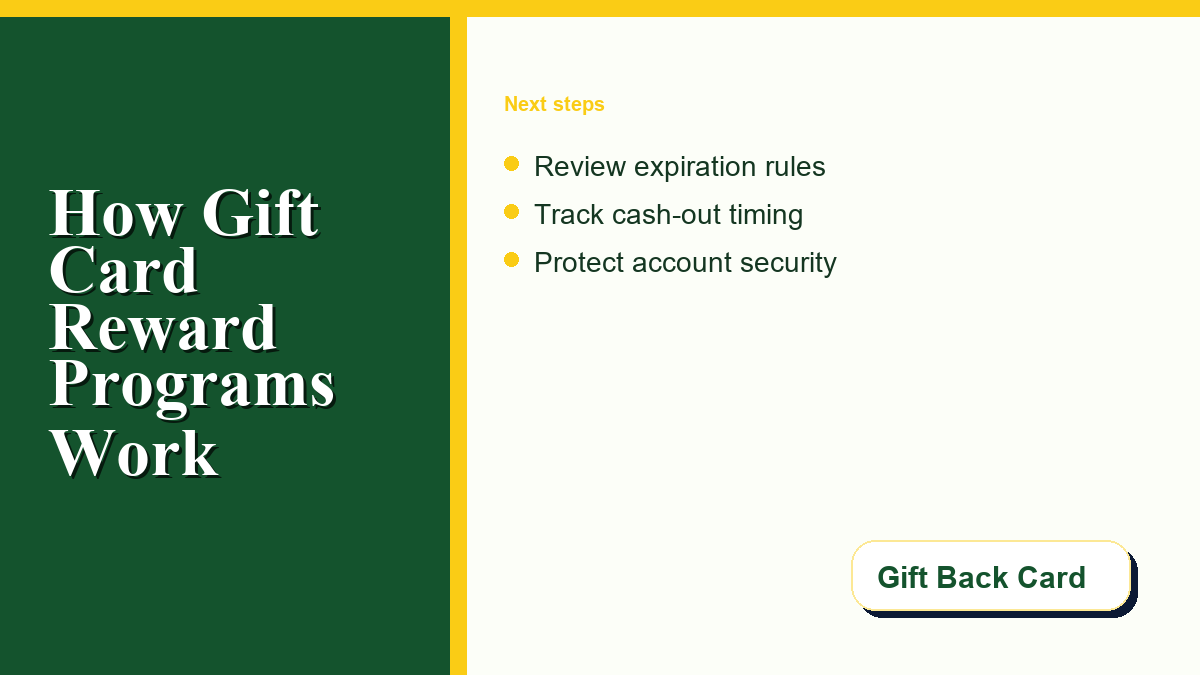
Every reward portal operates under a strict set of terms of service that details how points are earned and redeemed. A portal’s terms contain clauses regarding point expiration, inactivity, and termination rights. For instance, platforms reserve the right to close an account and forfeit points if the user does not log in for a specified period, such as 90 days. Additionally, terms state that points do not have cash value until successfully redeemed, meaning the portal has no obligation to pay you if the company shuts down or changes its reward structure.
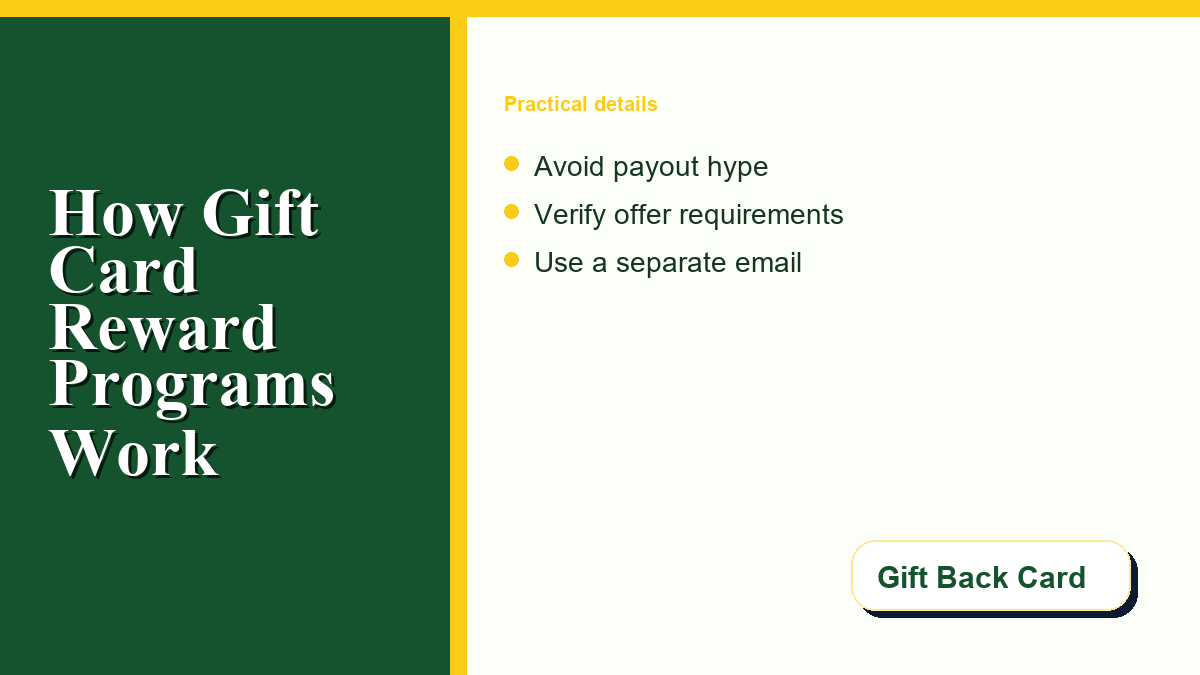
Another key area to examine is the specific rules for premium or high-value offers. These offers often promise large payouts, such as a $100 gift card, for completing sponsor tasks. Completing these tasks can require signing up for paid subscriptions, completing multiple credit checks, or downloading and playing games. In many cases, the money you must spend to satisfy the terms of these premium offers is close to or even exceeds the value of the reward. Calculate the net value of an offer by subtracting the cost of required purchases from the final reward amount.
For platforms focused on market research, understanding the specific terms for survey participation is essential. When you participate in surveys, you match your demographic profile against the target audience. Portals use automated systems to screen out users who do not fit the desired profile. This screening process often happens several minutes into a survey, leading to a disqualification where the user is returned to the dashboard with only a tiny fraction of the promised points. Understanding how these platforms handle screen-outs in their terms will help you avoid frustration when learning how online surveys calculate points.
Essential Privacy and Security Checks for Reward Portals
Participating in reward programs involves sharing personal information. To match you with surveys, portals collect demographic data like age, occupation, and purchasing habits. While legitimate companies use this to target research, the volume collected makes privacy a concern. Signing up often consents to sharing profile data with ad networks, leading to unsolicited emails and targeted ads.
To guard your privacy, practice good data hygiene when registering. First, use a dedicated secondary email address (a burner email) not connected to your primary personal, financial, or professional accounts. This keeps promotional spam isolated and protects your main inbox if the site experiences a data breach. The FTC also recommends steps to protect personal information from hackers and scammers, which is useful background before joining any rewards portal. Second, avoid sharing sensitive details. While platforms need basic demographic info, be cautious if a rewards portal asks for your social security number, account passwords, or financial login details. Remember that privacy checks on rewards platforms are your first line of defense; if a portal asks for sensitive personal identifiers, pause and review whether the request is truly required.
Be cautious about the permissions you grant to rewards apps. Review the permissions they request and deny access to your contacts, location data, photo library, and message history unless strictly necessary. Avoid installing custom profiles or root certificates on your device, as these may allow third parties to monitor web traffic and capture passwords. Additionally, keep your rewards passwords unique; avoid reusing a password from your email or banking accounts on a points portal.
Redemption Thresholds and Cash-Out Verification
Once you have accumulated enough points, the final step is cashing out. Every platform establishes a minimum redemption threshold, which is the lowest dollar value you must reach before you can request a cash-out. Common thresholds range from $3.00 to $25.00. Low thresholds are preferable because they allow you to withdraw your earnings quickly, reducing the risk of losing points if the site encounters technical issues. Once requested, rewards are rarely instant. Processing times take anywhere from a few hours to several business days as the platform conducts verification checks.
To prevent fraud, rewards platforms implement verification processes during redemption. This typically includes verifying your email address, completing SMS verification, or submitting a photo of a government-issued ID to confirm your identity (KYC checks). While these measures are common security protocols to prevent bot activity, they represent another layer of data sharing. Review redemption rules before investing time. Verify you are using standard portal partnerships, especially when evaluating options like getting paid to take surveys online.
Practical Checklist for Evaluating Rewards Programs
To navigate the rewards ecosystem safely and efficiently, use these steps to evaluate any new loyalty program or task panel before you create an account:
- Research the Company: Verify who owns the portal. Look for an active parent company with a clear business history.
- Check the Privacy Policy: Read how they store, use, and share your demographic data. Opt out of data sales where possible.
- Review the Redemption Threshold: Confirm the minimum balance required to cash out and check if there are processing fees.
- Audit the Verification Rules: Determine what identification checks (such as SMS or ID upload) are required to release your rewards.
- Use Dedicated Accounts: Consider registering with a secondary email and unique password to keep your primary personal data separate.
- Verify SSL Security: Ensure the website uses HTTPS and displays a valid security lock icon.
- Avoid Upfront Payments: Be cautious of rewards sites that charge fees to join, complete tasks, or withdraw points.
Conclusion
Participating in gift card rewards programs can be a satisfying way to earn minor perks during your free time, but it should be approached with a critical eye. By understanding how points accumulate, verifying the rules in the terms of service, and executing rigorous privacy and security checks, you can better protect your personal information and make more realistic decisions about rewards. Treat any earnings as a small bonus rather than a reliable source of income, and prioritize the security of your digital footprint.
Frequently Asked Questions
Are online gift card reward programs dependable income?
No. Gift card reward programs are designed for micro-tasks and consumer feedback. Payout rates are modest, and they should be viewed as a way to collect occasional perks rather than a stable, regular income source.
Can cashing out rewards require identity verification?
Yes. Many platforms implement fraud prevention measures during cashing out, which can include email confirmations, SMS phone verification, or submitting government-issued identification to prevent duplicate accounts and bots.
What is a redemption threshold in points programs?
A redemption threshold is the minimum points balance or dollar value required before you can request a payout. Legitimate portals usually set thresholds between $3.00 and $25.00 depending on the reward method.
How can I protect my personal details when signing up for rewards?
Use a dedicated secondary email address, avoid sharing highly sensitive data like passwords or social security numbers, and review the privacy policy to see how your demographic profile is shared.
Do reward points expire if I stop using a platform?
Yes. Most platforms specify in their terms that points expire after a period of account inactivity, often ranging from 90 days to one year. Check the inactivity rules before joining.
 There's A Free Stock Waiting For You